Ernie West was a Greenup County man who received the Medal of Honor during the Korean War. Ernie was born in Russell, Kentucky, on September 2, 1931. He grew up in the Methodist Children’s Home orphanage in Versailles and dropped out of high school to take a job on the railroad before being drafted into the U.S. Army in 1950.
 Two years later, in the fall of 1952, West’s unit was in “frozen hell” near Sataeri, Korea. It was a hilly area, and after dark, the U.S. soldiers were monitoring Chinese troops with primitive night vision equipment. The Americans were struck by how tall the enemy troops were—six-footers from northern China and Mongolia—who were dug into bunkers along a high ridgeline.
On October 12, West was one of sixteen Americans who volunteered for a mission to try to capture some of the enemy for interrogation. Moving as silently as possible through a valley separating the U.S. and Chinese positions, they came to a rise leading up to the enemy bunkers. Half of the group stayed behind with machine guns. The others began to climb up toward the enemy, with West walking ahead as the point man. Suddenly, the Chinese began to roll grenades down onto them. One passed between West’s legs and exploded near his lieutenant, who was just behind him. Two other Americans also went down. Realizing that his contingent had walked into an ambush, West ordered those who were not hurt to retreat.
Then he ran through heavy small arms fire and exploding grenades to his lieutenant, who was badly hurt. Using his body to shield the helpless officer from flying shrapnel, West picked him up and started down the hill. Four enemy soldiers came at him, but he killed them with his rifle. West made it back to the U.S. position with his lieutenant, then returned for another wounded American, killing eight more of the enemy along the way. As he dragged the second man to safety, a grenade exploded near him, deadening his left arm and sending shrapnel into his eye. Bleeding heavily, West returned for another wounded comrade and got him down the hill.
West spent the next ten months in the hospital, most of it at Walter Reed. Doctors tried to save his eye by positioning a large powerful magnet over it to draw out the shrapnel, but the procedure didn’t work, and the eye had to be removed. Finally released from the service, West returned to Greenup County. On his first day back at his old job on the railroad, a coworker came up behind him and clapped him on the shoulder. West instinctively turned and wrestled the man down. He quickly apologized: “Sorry, but you’ll have to give me a month or so. Just talk to me, don’t touch me.”
Early in 1954, West got a telegram informing him that he was to receive the Medal of Honor. CSX Railroad arranged to make a special stop in his hometown of Russell, where he boarded a private car that carried him to Washington, D.C. After putting the medal around his neck on January 12, 1954, President Dwight D. Eisenhower said to West, “In addition to this decoration, you have an old soldier’s admiration.”
Upon his retirement from military service, Ernie West returned home to Wurtland and continued his job at CSX Railroad until his retirement in 1993. For the rest of his life, he was active in promoting the quality of life in Greenup County. West died on May 1, 2021. He is buried at Kentucky Veterans Cemetery Northeast in his home county.
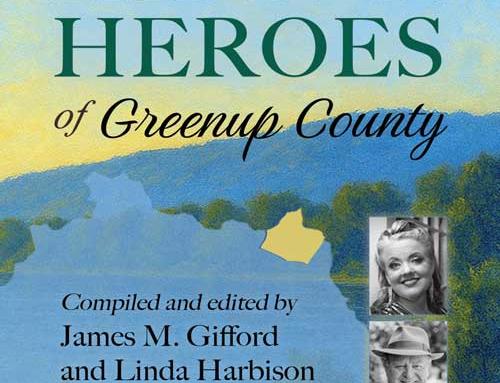
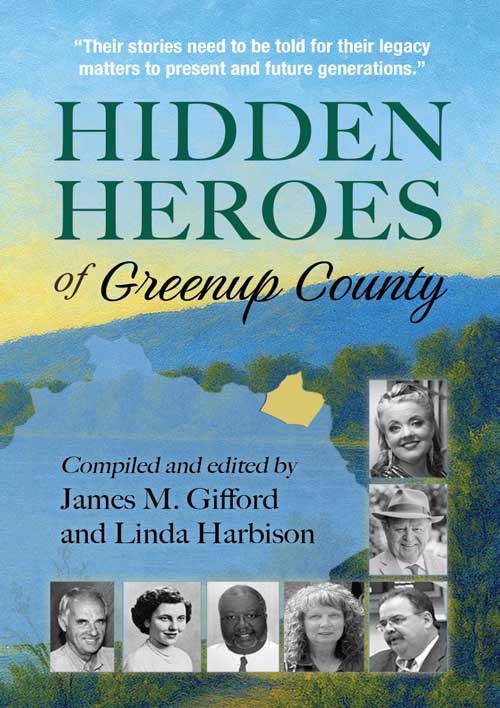
West is one of 31 people featured in Hidden Heroes of Greenup County, a recently published, 320-page softback book that honors the courage and character of Greenup County’s “hard-working, caring, responsible people.” Published by the Jesse Stuart Foundation, this book is available in the JSF Bookstore, Monday through Friday from noon to 3 p.m., and can also be ordered by calling 606.326.1667.
By James M. Gifford
JSF CEO & Senior Editor
Ernie West was a Greenup County man who received the Medal of Honor during the Korean War. Ernie was born in Russell, Kentucky, on September 2, 1931. He grew up in the Methodist Children’s Home orphanage in Versailles and dropped out of high school to take a job on the railroad before being drafted into the U.S. Army in 1950.
Two years later, in the fall of 1952, West’s unit was in “frozen hell” near Sataeri, Korea. It was a hilly area, and after dark, the U.S. soldiers were monitoring Chinese troops with primitive night vision equipment. The Americans were struck by how tall the enemy troops were—six-footers from northern China and Mongolia—who were dug into bunkers along a high ridgeline.
On October 12, West was one of sixteen Americans who volunteered for a mission to try to capture some of the enemy for interrogation. Moving as silently as possible through a valley separating the U.S. and Chinese positions, they came to a rise leading up to the enemy bunkers. Half of the group stayed behind with machine guns. The others began to climb up toward the enemy, with West walking ahead as the point man. Suddenly, the Chinese began to roll grenades down onto them. One passed between West’s legs and exploded near his lieutenant, who was just behind him. Two other Americans also went down. Realizing that his contingent had walked into an ambush, West ordered those who were not hurt to retreat.
Then he ran through heavy small arms fire and exploding grenades to his lieutenant, who was badly hurt. Using his body to shield the helpless officer from flying shrapnel, West picked him up and started down the hill. Four enemy soldiers came at him, but he killed them with his rifle. West made it back to the U.S. position with his lieutenant, then returned for another wounded American, killing eight more of the enemy along the way. As he dragged the second man to safety, a grenade exploded near him, deadening his left arm and sending shrapnel into his eye. Bleeding heavily, West returned for another wounded comrade and got him down the hill.
West spent the next ten months in the hospital, most of it at Walter Reed. Doctors tried to save his eye by positioning a large powerful magnet over it to draw out the shrapnel, but the procedure didn’t work, and the eye had to be removed. Finally released from the service, West returned to Greenup County. On his first day back at his old job on the railroad, a coworker came up behind him and clapped him on the shoulder. West instinctively turned and wrestled the man down. He quickly apologized: “Sorry, but you’ll have to give me a month or so. Just talk to me, don’t touch me.”
Early in 1954, West got a telegram informing him that he was to receive the Medal of Honor. CSX Railroad arranged to make a special stop in his hometown of Russell, where he boarded a private car that carried him to Washington, D.C. After putting the medal around his neck on January 12, 1954, President Dwight D. Eisenhower said to West, “In addition to this decoration, you have an old soldier’s admiration.”
Upon his retirement from military service, Ernie West returned home to Wurtland and continued his job at CSX Railroad until his retirement in 1993. For the rest of his life, he was active in promoting the quality of life in Greenup County. West died on May 1, 2021. He is buried at Kentucky Veterans Cemetery Northeast in his home county.
West is one of 31 people featured in Hidden Heroes of Greenup County, a recently published, 320-page softback book that honors the courage and character of Greenup County’s “hard-working, caring, responsible people.” Published by the Jesse Stuart Foundation, this book is available in the JSF Bookstore, Monday through Friday from noon to 3 p.m., and can also be ordered by calling 606.326.1667.
By James M. Gifford
JSF CEO & Senior Editor